

Creating a relaxing home workspace is essential for anyone looking to improve focus, reduce stress, and boost productivity while working from home. A well-designed environment not only supports your work tasks but also encourages a healthy balance between professional and personal life. In this post, we’ll explore practical tips to help you set up a calming workspace that inspires productivity and comfort.
Why a Relaxing Workspace Matters
When your workspace feels chaotic or uncomfortable, it can distract you, lower your motivation, and increase stress. Conversely, a space that feels serene and organized can help clear your mind, improve concentration, and foster a positive mindset. Planning your workspace with relaxation and functionality in mind supports both your well-being and your work efficiency.
Choose the Right Location
Select a Quiet Spot
Try to find a space in your home that is away from noise and heavy foot traffic. A quiet area helps minimize distractions, making it easier to stay focused and calm.
Natural Light is Key
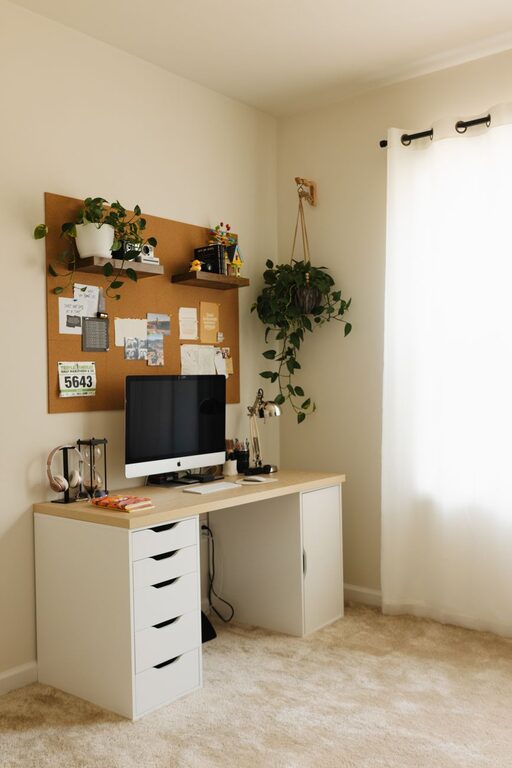
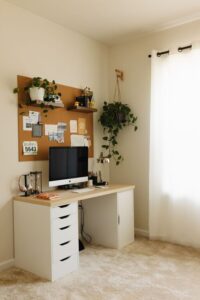
Position your desk near a window if possible. Natural light reduces eye strain and can improve mood. If natural light is limited, consider soft, adjustable lighting that mimics daylight.
Invest in Comfortable and Functional Furniture
Ergonomic Chair
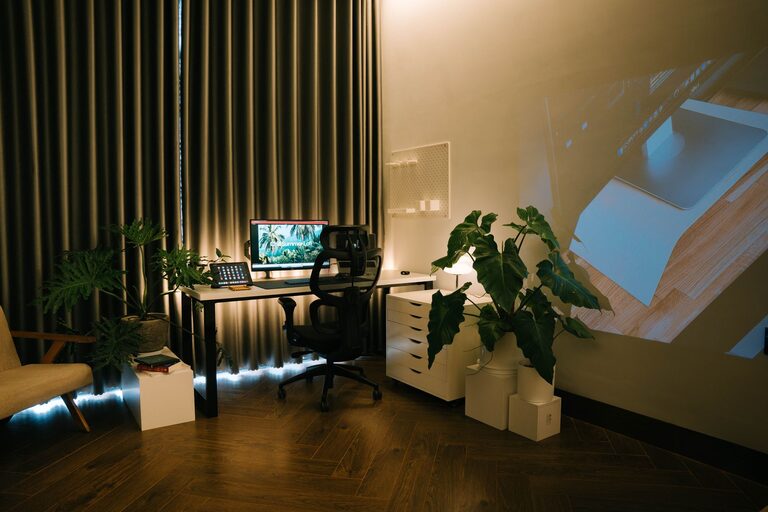
A comfortable chair that supports your posture is crucial. Ergonomic chairs help prevent back pain and encourage good sitting habits, allowing you to work longer without discomfort.
Adequate Desk Space
Your desk should be large enough to hold your essentials without clutter. Having space for your laptop, notebooks, and any other work tools keeps things organized and within reach.
Keep Your Workspace Organized
Declutter Regularly
Remove unnecessary items to keep your desk tidy. Clutter can increase feelings of stress and distract you from tasks. Use organizers, trays, or drawers to store supplies neatly.
Use Wall Space
Shelves or pegboards can help you maximize storage without crowding your desk. Keeping frequently used items visible but out of the way supports efficiency and reduces mess.
Incorporate Calming Elements
Add Plants
Indoor plants bring life into your workspace, improve air quality, and add a calming presence. Choose low-maintenance varieties like succulents or snake plants.
Use Soft Colors
Colors affect mood dramatically. Shades of blue, green, or neutral tones tend to have relaxing effects. Consider adding these colors through wall paint, décor, or accessories.
Incorporate Personal Touches
Photos, art, or meaningful objects can make your space feel inviting and inspiring. Just be mindful not to overcrowd your area with too many items.
Manage Noise and Distractions
Noise-Canceling Options
If ambient noise is a problem, noise-canceling headphones or white noise machines can help create a quiet atmosphere conducive to focus.
Set Boundaries
Communicate your work hours with family or roommates to minimize interruptions. Use visual cues like closed doors or “do not disturb” signs if necessary.
Stay Organized Digitally
Manage Your Digital Workspace
Keep your computer desktop and files organized. Use folders and backup relevant documents to avoid digital clutter, which can also affect productivity.
Use Productivity Tools
There are many apps available to keep track of tasks, reminders, and deadlines. Having these tools at your fingertips helps manage your workflow smoothly.
Take Breaks and Move
Working for long stretches can lead to fatigue and reduced productivity. Schedule regular breaks to stand, stretch, or take a short walk. A relaxed body supports a clear and energized mind.
Maintain Good Air Quality and Temperature
Fresh air and comfortable temperatures contribute greatly to how relaxed and productive you feel. If possible, open windows to let in fresh air, or use an air purifier. Adjust heating or cooling to maintain a pleasant environment.
Final Thoughts
Creating a relaxing home workspace doesn’t require a lot of money or space. By carefully selecting your location, investing in comfort, minimizing distractions, and adding calming touches, you can develop an environment that supports greater productivity and well-being. Remember, your workspace should be a place where you feel motivated and at ease – a foundation for doing your best work every day.