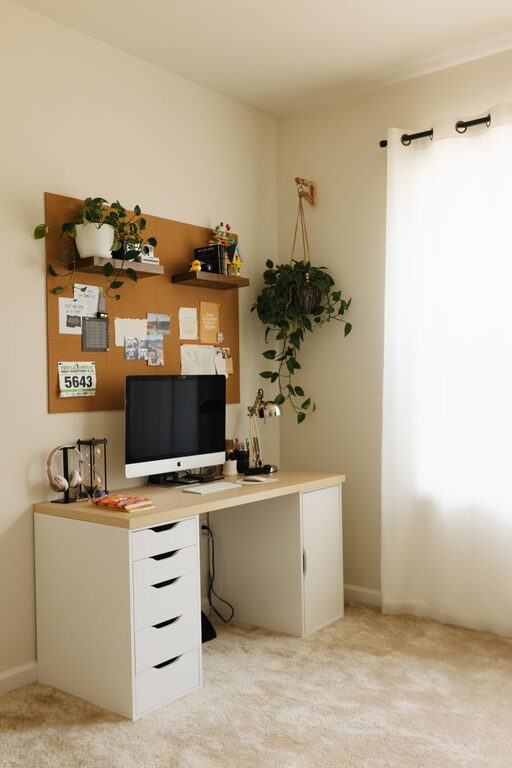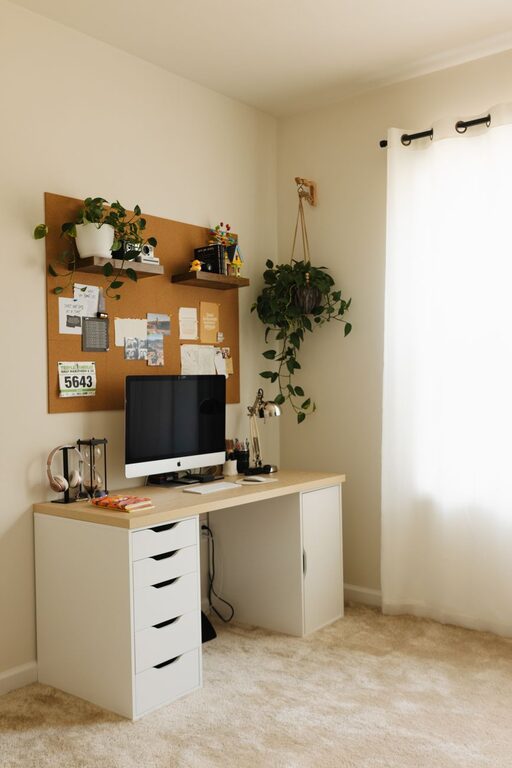


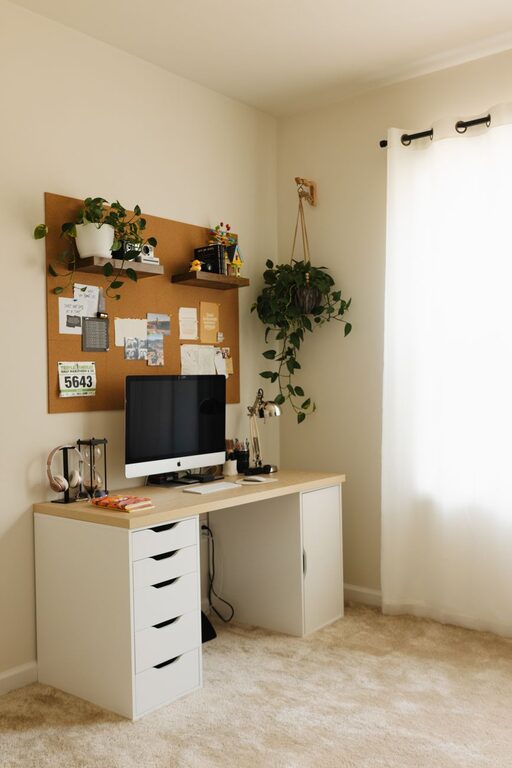
Creating a relaxing home workspace is essential for maintaining focus, reducing stress, and making your work-from-home experience enjoyable. Whether you use a dedicated room or a small corner in your living space, your workspace should inspire calm and productivity. Here are some practical tips to help you design a soothing and efficient area that suits your needs.
Choose the Right Location
The foundation of a relaxing workspace is the right spot. Ideally, find a quiet area with enough natural light. A corner by a window or a spare room can be perfect options.
– Minimal distractions: Pick a place away from noisy areas like the TV or high-traffic zones.
– Natural light: Sunlight boosts mood and helps regulate your body clock. Position your desk near a window if possible.
– Comfortable temperature: Ensure the space is well-ventilated and maintains a pleasant temperature.
Invest in Comfortable and Supportive Furniture
Comfort plays a major role in how relaxing and productive your workspace can be.
– Ergonomic chair: Choose an adjustable chair that supports your back and encourages good posture.
– Desk at the right height: Your desk should allow your arms to bend comfortably at about 90 degrees.
– Footrest: If your feet don’t rest flat on the floor, consider adding a footrest to reduce strain.
Declutter and Organize Your Space
A clutter-free area reduces stress and distractions.
– Keep essentials handy: Only keep items you use regularly on your desk.
– Use organizers: Drawer dividers, pen holders, and trays help keep supplies tidy.
– Cable management: Use clips or sleeves to prevent cords from tangling and cluttering your desk.
Add Elements of Nature
Bringing nature indoors can improve air quality and create a calming effect.
– Indoor plants: Small potted plants or succulents are easy to care for and enliven your workspace.
– Natural materials: Wooden desks or bamboo accessories add warmth and texture.
– Views of nature: If possible, position your desk to face a garden or trees.
Personalize Your Space Thoughtfully
Your workspace should reflect your style without overwhelming you.
– Calming colors: Choose soft, neutral tones like blues, greens, or pastels for walls and accessories.
– Inspirational items: Include a few meaningful objects like photos, artwork, or motivational quotes.
– Avoid cluttered decorations: Keep decor minimal to maintain a sense of calm.
Set Proper Lighting
Good lighting reduces eye strain and helps you stay alert.
– Layered lighting: Combine natural light with ambient and task lighting.
– Adjustable desk lamp: Use a lamp with brightness control to suit your work throughout the day.
– Avoid glare: Position screens and lights to minimize reflections.
Incorporate Relaxation Elements
Small touches can make your workspace a soothing retreat.
– Aromatherapy: Use essential oil diffusers with scents like lavender or eucalyptus for relaxation.
– Comfort items: A soft throw blanket or cushions can make your seating more pleasant.
– Noise control: Noise-canceling headphones or white noise machines can help manage background sounds.
Establish Boundaries Between Work and Rest
Creating clear boundaries improves focus and helps you unwind after work.
– Dedicated work hours: Set specific times for work and breaks.
– End-of-day ritual: Close your laptop and tidy your space to signal the end of work.
– Separate work zone: If possible, avoid working from your bed or couch to maintain physical separation.
Keep Technology Organized and Updated
Reliable tech reduces frustration and boosts productivity.
– Efficient setup: Place your computer, keyboard, and mouse ergonomically.
– Regular maintenance: Keep software updated and backed up.
– Wireless gadgets: Reduce cord clutter by switching to wireless keyboards and mice.
Add Practical Storage Solutions
Storage helps keep your workspace neat and efficient.
– Shelves and cabinets: Use vertical space for books, folders, and supplies.
– Label items: Label storage bins and folders for quick access.
– Multi-purpose furniture: Consider desks with built-in drawers or storage benches.
—
Creating a relaxing home workspace doesn’t require a complete overhaul. Small changes and mindful choices can transform your work area into a place that encourages calm, focus, and creativity. Start with a good location, prioritize comfort, keep things organized, and add personal touches that make your workspace inviting. With these tips, you can create a home office that helps you perform your best while feeling relaxed and motivated.