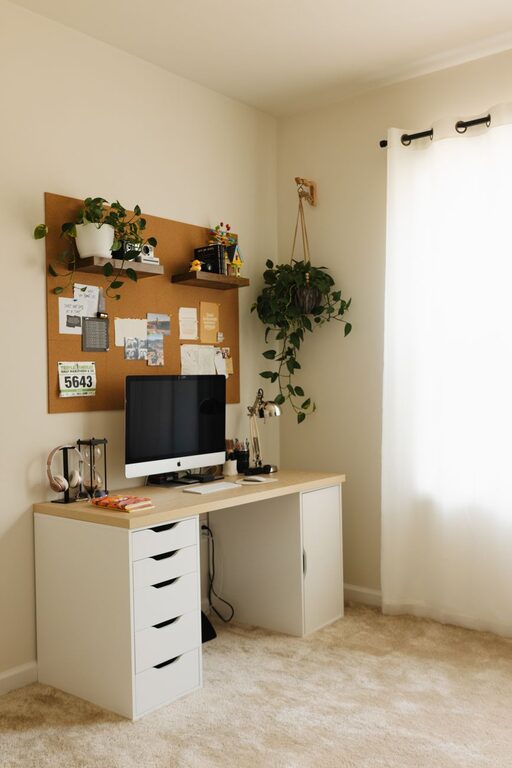

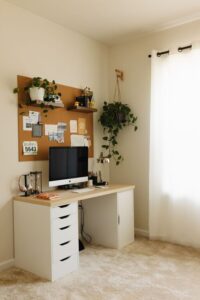

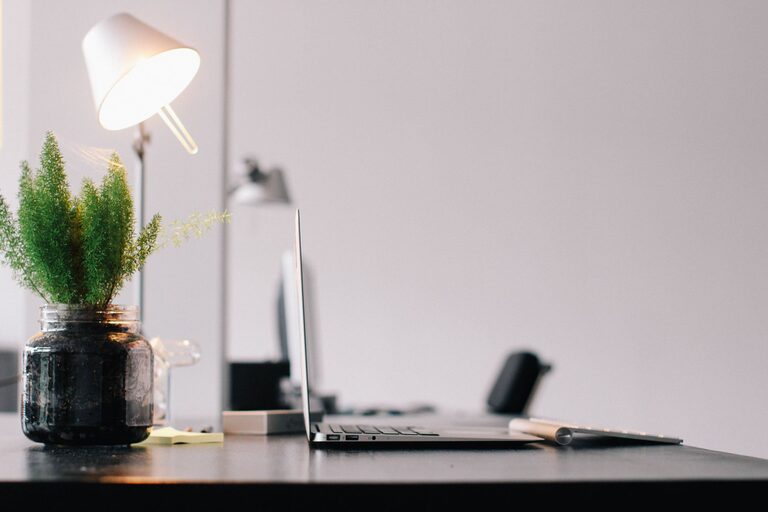
Creating a productive home workspace is essential for anyone working remotely or handling tasks from home. A well-designed workspace not only enhances your focus but also helps separate your professional and personal life. In this post, we’ll explore practical tips to help you set up a productive home office that inspires efficiency and comfort.
Why a Productive Workspace Matters
Working from home can be challenging due to distractions and blurred boundaries between work and leisure. A dedicated, organized workspace can:
– Improve concentration
– Increase motivation
– Reduce stress
– Promote better posture and health
Having the right environment plays a key role in how effectively you work.
Choosing the Right Location
Find a Quiet Spot
Choose a space with minimal distractions where you can focus. A quiet corner or spare room works well. Avoid high-traffic areas such as the living room or kitchen.
Consider Natural Light
Natural light helps improve mood and energy. Position your desk near a window if possible, but avoid glare on your screen.
Check for Power Outlets and Internet Access
Make sure the spot has nearby electrical outlets for your devices and a stable internet connection, which is essential for remote work.
Essential Furniture and Equipment
Invest in a Comfortable Chair
An ergonomic chair supports your back and encourages good posture, helping you avoid discomfort during long work hours.
Choose a Functional Desk
Select a desk that fits your space and fits your work style. A surface large enough for your computer, notepads, and other necessities is ideal.
Use Proper Lighting
In addition to natural light, add a quality desk lamp to reduce eye strain during evening hours.
Organize with Storage Solutions
Use shelves, drawers, and organizers to keep supplies within reach and clutter off your desk.
Organizing Your Workspace
Declutter Regularly
A clean workspace helps maintain focus. Set aside time each day or week to tidy your area.
Use Cable Management Tools
Tidy cables create a neater look and reduce distraction. Cable clips, sleeves, and under-desk trays can help manage wires efficiently.
Keep Frequently Used Items Handy
Store your most-used tools, like pens, notebooks, or headphones, within arm’s reach to streamline your workflow.
Personalizing Without Overdoing It
Adding personal touches like plants, artwork, or photos can create an inviting atmosphere. However, avoid excessive decorations that might distract you.
Establishing a Routine
Set a Work Schedule
Define your start and end times to maintain work-life balance.
Take Breaks
Use techniques such as the Pomodoro Technique to take regular breaks and boost productivity.
Minimize Distractions
Turn off non-essential notifications and set boundaries with family or housemates during work hours.
Technology Tips
Use Dual Monitors if Possible
Extra screen space can increase productivity by making multitasking easier.
Optimize Your Software
Organize folders, use productivity apps, and customize your tools to support your tasks.
Back Up Your Work
Protect your files by regularly backing them up to the cloud or external drives.
Maintaining Health and Comfort
Incorporate Movement
Stand up, stretch, or take short walks during breaks to reduce tension and increase circulation.
Manage Air Quality
Keep your workspace well-ventilated and consider adding a small air purifier or indoor plants.
Mind Your Posture
Adjust your chair, desk height, and monitor to encourage a neutral spine position.
Final Thoughts
Designing a productive home workspace is about creating a balance between comfort, functionality, and inspiration. By choosing the right location, investing in ergonomic furniture, staying organized, and establishing clear routines, you can significantly enhance your work-from-home experience. Personalize your space thoughtfully and prioritize your well-being for sustained productivity and satisfaction.
With these tips, your home workspace can become a place where you feel motivated, efficient, and ready to tackle every task. Happy creating!