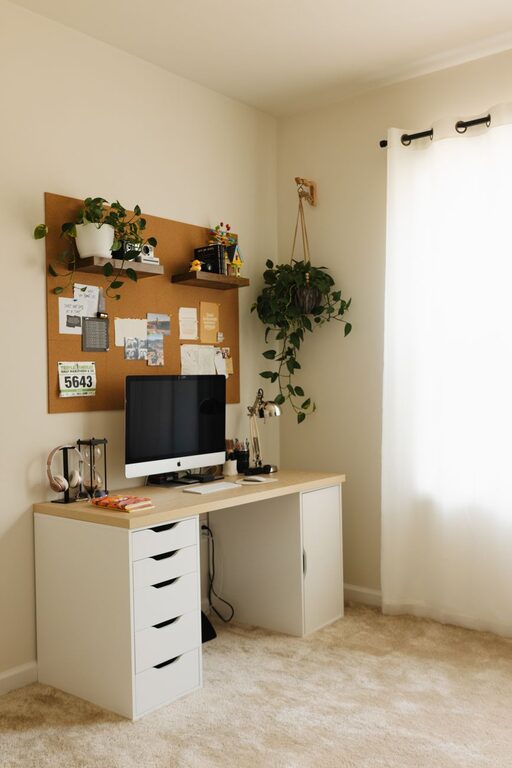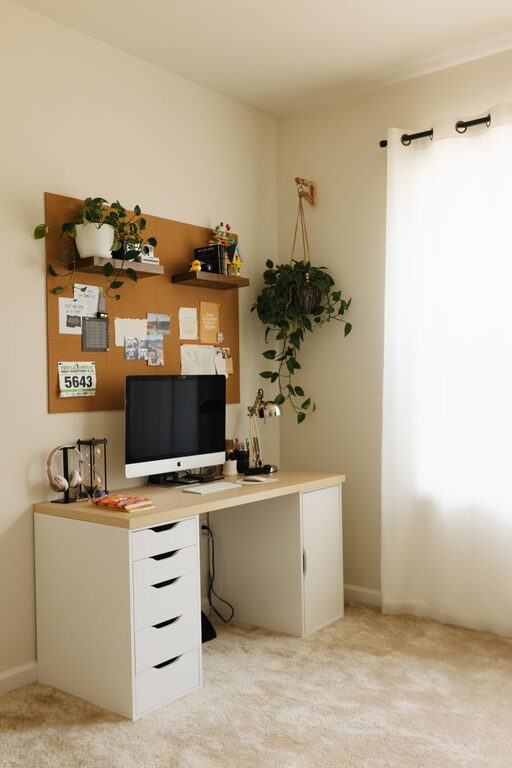



Creating a relaxing home workspace is essential for fostering productivity and maintaining a healthy work-life balance. Whether you’re working remotely full-time or occasionally tackling tasks at home, the right environment can make a significant difference in your focus, motivation, and overall well-being. This guide offers helpful tips to transform your home workspace into a comfortable, calming, and inspiring place to work.
Why a Relaxing Workspace Matters
Your surroundings greatly influence your mood and productivity. A cluttered or uncomfortable space can increase stress and decrease motivation. Conversely, a well-designed, relaxing environment promotes concentration, creativity, and efficiency. Designing a workspace that suits your personal style and needs helps set clear boundaries between work and downtime, ultimately improving work satisfaction and output.
—
Choosing the Right Location
Select a Quiet Spot
Find a space in your home with minimal distractions and noise. This might be a spare room, a corner in your bedroom, or an area near a window where you get natural light. Reducing noise and interruptions helps you stay focused and reduces stress.
Consider Natural Light
Natural light boosts mood and energy levels, making it easier to stay alert and productive. Aim to position your desk near a window but avoid harsh glare on your computer screen. If natural light is limited, invest in quality lighting that mimics daylight.
—
Ergonomic and Comfortable Furniture
Invest in an Ergonomic Chair
An ergonomic chair supports your posture and reduces strain during long work hours. Choose a chair with adjustable height, lumbar support, and comfortable cushioning to keep your back and neck healthy.
Choose a Desk that Fits Your Needs
Your desk should provide ample surface space for your computer and any materials you regularly use. Adjustable desks or standing desks can offer flexibility, allowing you to alternate between sitting and standing throughout the day.
—
Organize and Declutter
Keep Essentials Within Reach
Organize your workspace so frequently used items, such as pens, notebooks, or your phone, are easily accessible. This reduces interruptions and helps maintain focus.
Create Storage Solutions
Use shelves, drawers, or storage bins to keep papers, chargers, and other items neatly tucked away. A clutter-free desk encourages creativity and decreases feelings of overwhelm.
Regularly Declutter
Set aside a few minutes at the end of each day or week to tidy your workspace. Removing clutter helps create a calm environment ready for the next productive session.
—
Add Personal and Calming Elements
Decorate with Plants
Adding greenery to your workspace can improve air quality and create a soothing atmosphere. Plants like succulents, spider plants, or peace lilies are low-maintenance options ideal for indoor workspaces.
Use Calming Colors
Soft, neutral colors such as light blues, greens, or pastel shades can make your workspace feel more relaxing. Consider painting a wall or using accessories in these tones for a calming effect.
Incorporate Personal Touches
Display photos, artwork, or inspirational quotes that motivate you. Personal elements can make your workspace welcoming and aligned with your personality.
—
Minimize Digital Distractions
Manage Notifications
Turn off non-essential notifications on your computer and phone during work hours. This reduces interruptions and helps maintain concentration.
Use Focus Apps
Consider apps or browser extensions that block distracting websites or help track your focus time. Tools like these assist in building productive habits.
—
Create a Routine and Set Boundaries
Establish Work Hours
Set clear start and end times for your workday to maintain a balance between work and relaxation. Communicating your schedule with household members helps reduce interruptions.
Build Pre-Work Rituals
A simple routine, such as brewing a cup of tea or spending a few minutes organizing your desk, signals the start of your workday and helps transition your mindset.
—
Incorporate Relaxation Breaks
Practice Mindful Breathing or Stretching
Short breaks to stretch or practice breathing exercises can release tension and increase focus.
Use a Timer
Try techniques like the Pomodoro method—working for 25 minutes, then taking a 5-minute break. Regular breaks prevent burnout and maintain steady productivity.
—
Maintain Good Air Quality and Temperature
Ventilate the Room
Fresh air helps keep your mind clear and energized. Open windows when possible, or use air purifiers to improve indoor air quality.
Control Temperature
Keep your workspace at a comfortable temperature. Being too hot or cold can distract and reduce your efficiency.
—
Final Thoughts
Designing a relaxing home workspace tailored to your preferences is a worthwhile investment in your productivity and well-being. By focusing on comfort, organization, lighting, and personal touches, you can create an environment that inspires focus and reduces stress. Remember, a calm workspace not only boosts work performance but also supports a healthy balance between your professional and personal life. Start making changes today and enjoy the benefits of a workspace designed for success.