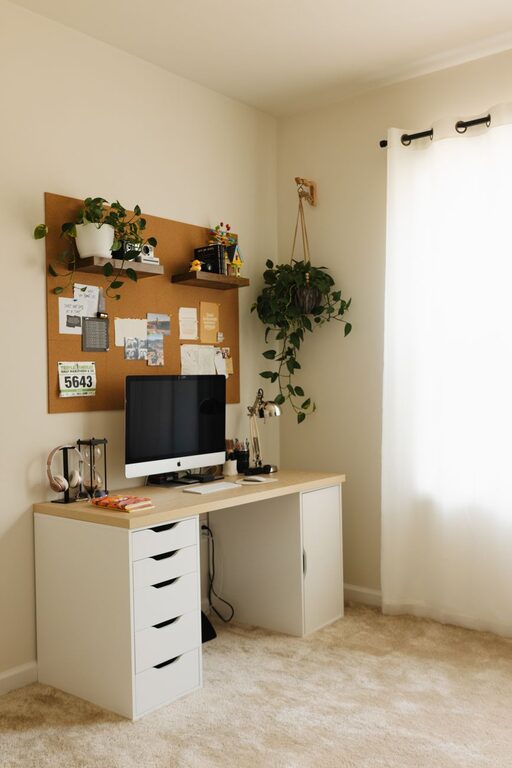

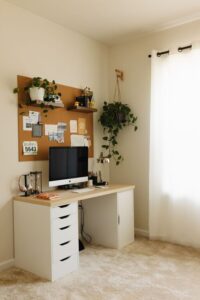

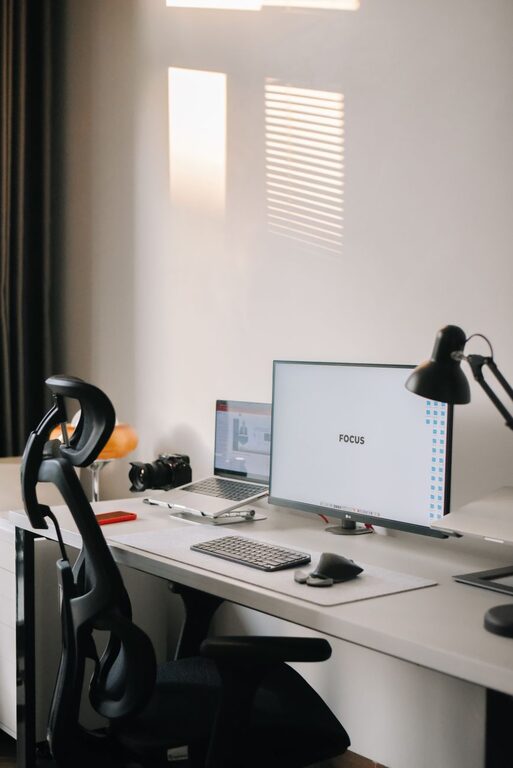
Creating an organized home workspace is essential for maintaining focus, reducing stress, and boosting productivity. Whether you work from home full-time or occasionally need a spot for tackling tasks, having a well-arranged environment can make a significant difference. In this post, we’ll explore practical tips to help you organize your home workspace effectively.
Why Organizing Your Workspace Matters
An organized workspace helps minimize distractions and makes it easier to find what you need. It also creates a mentally refreshing environment that encourages creativity and focus. When your desk and surroundings are tidy, you spend less time searching for items and more time concentrating on your work.
Choose the Right Location
Consider Natural Light
Set up your workspace near a window if possible. Natural light improves mood and energy, making it easier to stay alert throughout the day.
Minimize Noise and Distractions
Pick a quiet corner of your home where you can work without interruptions. If noise is unavoidable, consider noise-canceling headphones or soundproofing solutions.
Accessibility and Comfort
Make sure your workspace is easily accessible but separated enough from high-traffic areas to maintain focus. Comfort is key, so choose a spot where you can arrange furniture ergonomically.
Declutter Your Desk
Keep Essentials Only
Limit your desktop to items you use daily—computer, keyboard, mouse, planner, and essential stationery. Store seldom-used items elsewhere.
Use Drawers and Organizers
Invest in drawer organizers or containers to keep items like pens, papers, and cables tidy and within reach.
Manage Cables
Use cable ties or clips to keep cords neat and avoid tangling. This not only improves appearance but also reduces potential hazards.
Ergonomics for Comfort and Health
Invest in a Quality Chair
A supportive chair with adjustable height and lumbar support helps maintain good posture and reduces back pain.
Position Your Monitor Correctly
Your monitor should be at eye level and about an arm’s length away. This helps avoid neck strain and eye fatigue.
Keep Your Feet Supported
Use a footrest if your feet don’t comfortably reach the ground. This promotes circulation and comfort during long work sessions.
Organize Digital and Paperwork Systems
Create Digital Folders
Organize your computer files into clearly labeled folders for easy access. Regularly back up important documents.
Use a Filing System
For paper documents, use labeled files or binders. Sort papers regularly to prevent pile-ups.
Incorporate a Planner or Calendar
Keep a physical or digital planner at your workspace to track deadlines and appointments effectively.
Add Personal Touches Wisely
While personalization can make your workspace inviting, avoid excessive decor that may become another distraction. Consider adding a plant, a motivational quote, or a few favorite photos.
Maintain Your Workspace Daily
Set a few minutes at the start or end of each day to tidy your desk. Putting things back in their designated spot keeps clutter from accumulating and makes your work start smoothly the next day.
Use Storage Solutions
Shelving Units
Install shelves to store books, binders, or decorative items without taking up desk space.
Bins and Boxes
Use storage bins or boxes under or near your desk to keep supplies organized.
Multi-purpose Furniture
Consider furniture that doubles as storage, like desks with built-in drawers or cabinets.
Optimize Lighting
Good lighting reduces eye strain and improves focus. Use a combination of natural light, overhead lighting, and task lamps. Adjustable desk lamps let you direct light where you need it most.
Take Breaks and Stretch
Organizing your workspace also means planning for well-being. Leave space for a quick stretch or standing break. A small corner with a yoga mat or comfortable chair can encourage brief breaks that boost productivity.
Final Thoughts
An organized home workspace can transform the way you work by creating a calm, efficient, and comfortable environment. By choosing the right location, decluttering regularly, paying attention to ergonomics, and maintaining your space daily, you’ll find it easier to focus and be productive. Remember, small changes can make a big impact!
Try these tips and adjust them to fit your personal style and work habits. Your ideal workspace awaits!